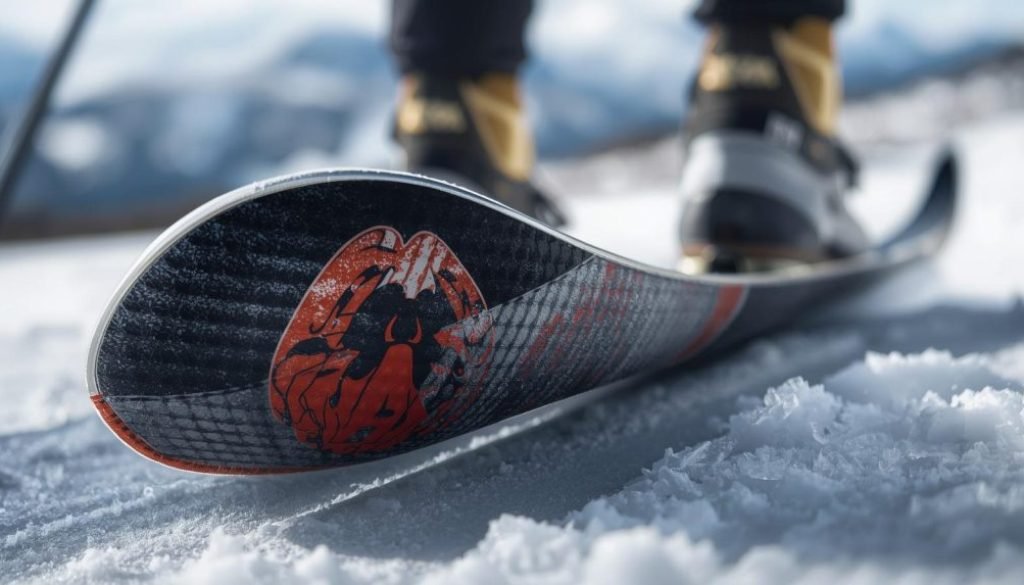
Zuschneidfelle: A Complete Guide to Custom-Cut Climbing Skins
The right gear is key for ski touring and backcountry trips. It greatly affects your performance, safety, and comfort. A must-have for touring skiers is Zuschneidfelle, or custom-cut climbing skins. These skins offer great grip on snowy slopes. They are made to fit specific ski shapes, ensuring maximum efficiency.
In this guide, we’ll look at Zuschneidfelle. We’ll talk about how they work, their benefits, materials, cutting process, and tips for picking the best ones for your skiing needs.
What Are Zuschneidfelle?
Zuschneidfelle are climbing skins tailored to fit your skis perfectly. Unlike pre-shaped or universal skins, Zuschneidfelle are customized to fit the ski’s width, tip, and tail profile. This ensures better edge exposure, improved traction, and smoother uphill movement.
They are commonly used in:
- Ski touring
- Alpine touring (AT)
- Splitboarding (similar concept)
- Backcountry skiing
Why Zuschneidfelle Are Important for Ski Touring
Ski touring requires both efficient climbing and reliable grip. Zuschneidfelle play a crucial role in maintaining balance and momentum on steep or icy slopes.
Key Benefits:
- Perfect Fit: Designed to follow the exact shape of your skis
- Better Grip: Maximized contact with snow improves climbing traction
- Improved Glide: Reduced friction compared to poorly fitted skins
- Edge Control: Exposed ski edges enhance stability on traverses
- Reduced Snow Buildup: Less overhang prevents snow from sticking
Materials Used in Zuschneidfelle
The performance of Zuschneidfelle largely depends on the materials used. Most climbing skins fall into three main categories:
1. Mohair Skins
- Made from natural goat hair
- Excellent glide and lightweight
- Ideal for long ascents
- Slightly less grip on icy terrain
2. Nylon Skins
- Extremely durable
- Superior grip and longevity
- Best for steep, icy, or beginner routes
- Slightly heavier and slower glide
3. Mixed Skins (Mohair + Nylon)
- Balanced grip and glide
- Popular choice for all-around touring
- Combines durability with performance
How Zuschneidfelle Are Cut and Fitted
Custom cutting is what sets Zuschneidfelle apart. The process ensures the skin fits your skis precisely.
Step-by-Step Cutting Process:
- Attach the Skin to the Ski Base
- Center the Skin to ensure even coverage
- Trim Excess Material along the ski edges
- Ensure Edge Exposure for optimal control
- Adjust Tip and Tail Attachments
Proper cutting is essential—poorly cut skins can reduce performance and compromise safety.
Zuschneidfelle vs Pre-Cut Skins
FeatureZuschneidfellePre-Cut SkinsFitCustomStandardPerformanceHighModerateEdge ExposureOptimalLimitedAdaptabilityAny ski shapeLimited modelsSkill RequiredModerateLow
For skiers who use unique or wide skis, Zuschneidfelle are often the better choice.
How to Choose the Right Zuschneidfelle
When selecting Zuschneidfelle, consider the following factors:
Ski Width and Shape
Choose skins wider than your ski waist so they can be trimmed accurately.
Terrain Type
- Steep/icy routes → Nylon or mixed skins
- Long tours → Mohair or mixed skins
Snow Conditions
Cold, dry snow requires different grip levels than wet spring snow.
Skill Level
Beginners usually like skis with a strong grip. Experienced skiers often focus on glide.
Maintenance and Care Tips
To extend the lifespan of your Zuschneidfelle:
- Dry skins after each use
- Store glue-to-glue or with protective mesh
- Avoid dirt and debris
- Re-glue when necessary
- Use skin wax to prevent snow buildup
Proper care ensures consistent performance season after season.
Common Mistakes to Avoid
- Cutting too close to the edge
- Leaving too much skin covering the edges
- Using skins that are too narrow
- Not aligning skins properly before trimming
- Ignoring glue maintenance
Avoiding these mistakes helps maintain safety and efficiency on uphill climbs.
Are Zuschneidfelle Worth It?
For serious ski tourers and backcountry enthusiasts, Zuschneidfelle are absolutely worth the investment. Their tailored fit improves uphill efficiency, stability, and overall touring experience. While they require careful setup, the long-term performance benefits outweigh the initial effort.
Final Thoughts
Zuschneidfelle are a critical upgrade for anyone serious about ski touring. They offer a custom fit, better grip, and improved edge control. This boosts uphill performance significantly. Choose the right material, cut it properly, and maintain it well. This way, you’ll have safer and more efficient backcountry adventures.
Good Zuschneidfelle can enhance your performance and confidence, whether you’re new to ski touring or an experienced mountaineer.
FAQs
What are Zuschneidfelle used for?
Zuschneidfelle help in ski touring and backcountry skiing. They provide grip for climbing uphill. Connect to the bottom of skis. They stop slipping back but let you move forward on snowy slopes.
Are Zuschneidfelle better than pre-cut climbing skins?
Yes, Zuschneidfelle are usually better than pre-cut climbing skins. They fit your skis perfectly since they are custom-cut to match their exact shape. This gives you better traction, a smoother glide, and great edge control on steep or icy ground.
Which material is best for Zuschneidfelle?
The best material for Zuschneidfelle depends on terrain and skill level. Mohair glides smoothly. Nylon provides excellent grip and durability. Mixed mohair-nylon skins deliver balanced performance for most ski tourers.
How wide should Zuschneidfelle be?
Zuschneidfelle should be wider than the ski’s waist so they can be trimmed to fit perfectly. A wider skin ensures full base coverage while leaving the ski edges exposed for better control and stability.
How long do Zuschneidfelle last?
With proper care, Zuschneidfelle typically last 3 to 5 ski seasons. Regular drying, good storage, and proper glue care can greatly improve lifespan and performance.